Feedback
AI Ad Video Example
Loading...
MiniMax H3 prompt
Learn how to build a MiniMax H3 prompt with timed shots, reference roles, and audio cues — then render 2K video with stereo sound.
All Tools
Discover our comprehensive AI-powered animation toolkit
MiniMax H3
MiniMax H3 AI Video Generator
Seedance 2.5
The Future of AI Video Is Here.
Seedance 2.0
The Future of AI Video Is Here.
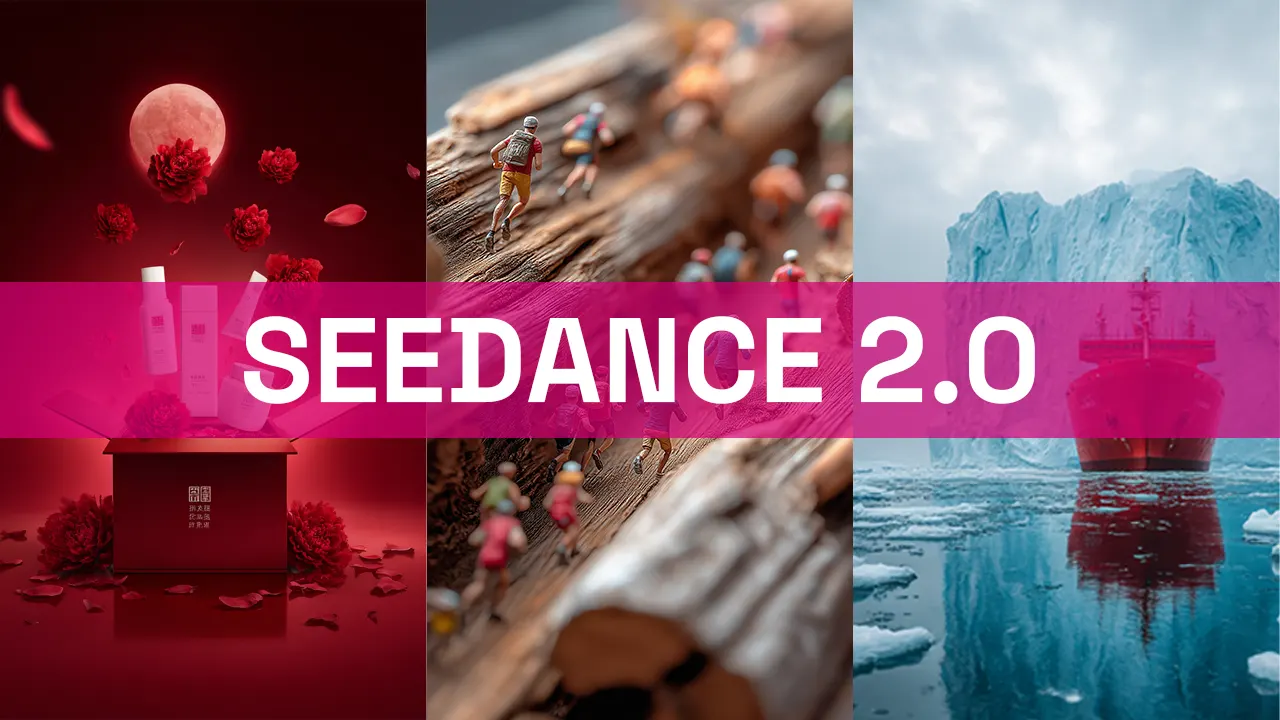
Seedance 2.0
The Future of AI Video Is Here.

AI Multi-Scene Shorts Generator
Create viral AI Shorts instantly

3D Science Video
Create 3D science videos easily

Free GPT Image 2.5
Next-generation image creator

Nano Banana2
Best Image Generator
What a Well-Structured MiniMax H3 Prompt Unlocks
A complete prompting playbook for MiniMax's open-weight multimodal video model, which returns 5-15 second, 2K, 24fps clips with native stereo sound. Because a single MiniMax H3 prompt accepts up to 7,000 characters, you can tag every reference asset with a job, lay out timed beats, steer camera language and sound design, and hold a character's identity steady across scenes — all in one request.
- Give Every Reference a JobThe habit that changes results most: spell out what each image, clip, or audio file contributes — mood, talent, product, style, or voice — inside your MiniMax H3 prompt.
- Timed Beats, Not Slide ShowsSplit multi-beat scenes into [0-2s], [2-4s] segments within one MiniMax H3 prompt, so the pacing reads as real narrative rhythm instead of a static slideshow.
- Sound Designed With IntentDescribe music structure, effects, and cloned voices as precisely as visuals in the MiniMax H3 prompt — sub-bass, hi-hats, foley, and dialogue timing included.
How to Build a MiniMax H3 Prompt
Follow a repeatable process to shape your MiniMax H3 prompt into a 2K clip with synchronized stereo audio.
Techniques That Make a MiniMax H3 Prompt Sharper
Core techniques from the MiniMax H3 prompting playbook — reference roles, timed shot blocks, audio direction, negative instructions, identity locking, edit constraints, cinematic language, and event-based transitions — for precise, professional video generation.
Negative Prompt Directions
Say what to leave out — 'No soft dissolves', 'no garbled characters', 'no jump scares' — and steer the model away from unwanted output in your MiniMax H3 prompt.
Identity & Feature Locking
Keep characters, products, and scenes stable from cut to cut by listing defining details in the MiniMax H3 prompt — hair, wardrobe, props, and typography stay consistent.
Edit & Constraint Pairing
For editing work, pair each replacement with what must remain stable in the MiniMax H3 prompt, so you get localized edits rather than a full regeneration.
Cinematic Photography Language
Reach for shot scale, lens behavior, exposure, and film characteristics — handheld shake, rack focus, wide-angle distortion, film grain — directly in the MiniMax H3 prompt.
Transitions as Physical Events
Write cuts as actions — whip movements, motion blur, optical smearing, exposure flicker — which reads better than simply naming an effect in the MiniMax H3 prompt.
7,000-Character Full Control
Fit an entire shot list plus sound design into one MiniMax H3 prompt — full scene, timed shots, audio, and constraints delivered in a single request.
MiniMax H3 Prompting: Frequently Asked Questions
Straight answers to the questions people ask most about writing prompts for the MiniMax H3 video model.
What is the MiniMax H3 prompt guide?
It collects proven practices for prompting MiniMax's open-weight multimodal video model. Inside, the MiniMax H3 prompt guide covers reference role assignment, timed shot blocks, audio direction, negative instructions, identity locking, and cinematic language for 2K video with native stereo audio.
How long can a prompt be?
Up to 7,000 characters — room for a full shot list with timed beats, camera moves, audio design, and constraints inside one MiniMax H3 prompt.
How do I handle multiple reference assets?
Give each asset a clear job in the MiniMax H3 prompt — 'Image 1 for mood, Image 2 for talent, Audio 1 for voice' — with support for up to 9 images, 3 video clips, and 3 audio files per request.
Should I describe audio in the prompt?
Absolutely — treat sound like a scene in the MiniMax H3 prompt. Describe music structure, instrument timing, foley details, and dialogue so the native audio generation lines up with your edit.
How do I keep characters consistent?
Lock identity by listing defining features — hair, wardrobe, props, and scene details — in the MiniMax H3 prompt, then preserve those details across every timed beat and cut.
What should I avoid in a prompt?
Vague pacing and styles you don't want. Use timed blocks instead of slide-show sequences, and add negative directions to the MiniMax H3 prompt to exclude unwanted elements.
Put These Prompting Ideas to Work Now
Render 2K video with native stereo audio by applying the MiniMax H3 prompt guide — reference roles, timed shot blocks, cinematic camera language, and precise audio direction in one request.